Ayaan Jindal
August 17, 2026 · 3 min read
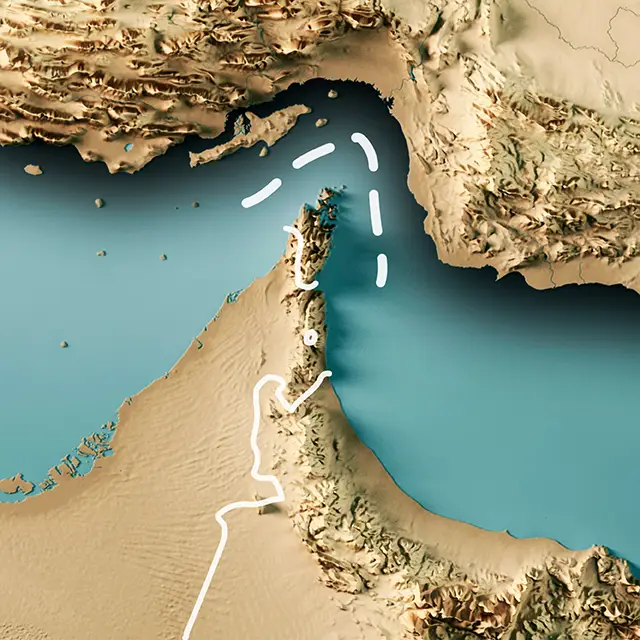
It has been almost six months since the U.S. and Israel began their war with Iran in late February. The waterway of the Strait of Hormuz, about 21 miles wide, has been severely restricted for almost six months now. Iran's Foreign Minister, Abbas Araghchi, set out several conditions this week which Tehran requires for the waterway to fully reopen. Meanwhile, attacks on shipping in the region are still under way, with U.S. Central Command disabling a Panama-flagged cargo vessel that tried to breach its blockade of Iranian ports, and a separate Houthi missile strike on a commercial vessel killing six people. Oil prices went up by about 5% on August 10, with U.S. crude ending at $82.13 a barrel, while Brent settled at $87.72.
Why It's Still Closed
Iran's Foreign Minister Abbas Araghchi said at a press conference in Tehran that Tehran would fully open the Strait of Hormuz when Washington met certain conditions, adding that Iran expected the US to ease sanctions and pay war reparations. The US has been actively blocking Iranian ports in order to prevent the delivery of cargo, and Iran's Foreign Ministry stated that until the necessary conditions were met by Washington, the Strait of Hormuz would remain heavily restricted.
The Actual Toll
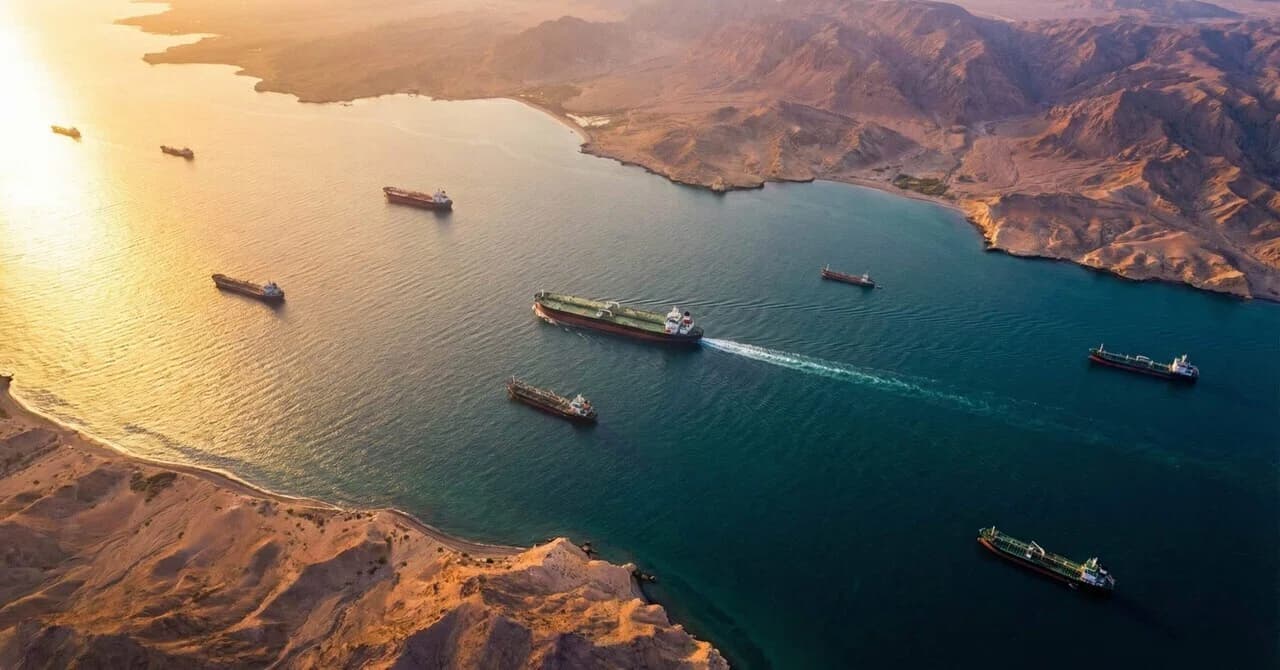
To put these numbers into perspective, 130 ships would normally pass through the Strait every day. Together, they would carry around 20 million barrels of oil, nearly 1/5 of the world's total oil supply, every day. But that's not the case today. With the war going on for half a year now, the number of ships has plummeted to 8-15 vessels a day that carry only 7-9 million barrels of oil. Al Jazeera has described it as one of the largest energy disruptions in modern history. In the six months or so that this conflict has been raging, there have been over 64 violent incidents involving commercial ships. 17 people have lost their lives. For six months, one of the world's most critical energy chokepoints has been operating at a small fraction of its full capacity.
What It Means for Prices
Brent crude prices have increased by as much as 16% to 24% above pre-war trading levels, with most analysts projecting an average price of around $87 a barrel for the remainder of the year. "Markets have not completely lost hope for a deal but confidence is clearly eroding," said Tim Waterer, chief market analyst at KCM Trade. This erosion in confidence is having the effect of locking in a risk premium for oil trades, regardless of whether an attack actually takes place.
The Bottom Line
A 21-mile-wide channel in the Persian Gulf has become a focal point of a protracted struggle between two countries on opposite sides of the world. The disruption to the Strait of Hormuz for 6 months or so will continue to impact the lives of individuals throughout the world as they purchase goods and services that are transported by sea and refuel their automobiles. Until Washington and Tehran reach some kind of agreement, oil moving through the world's most important energy chokepoint will continue to carry a risk premium.

Discussion
Comments
Loading…
Leave a comment
Be the first to share your thoughts.