Ayaan Jindal
July 13, 2026 · 3 min read
Earlier this month we wrote a blog post, A Truce With Iran Sent Oil Tumbling. For Now., and for about a month that "for now" held. Then it broke. This was the collapse of the June framework, the one built around a 60-day roadmap toward a final deal, not a brand new war starting from scratch. On July 7, two commercial vessels were attacked near Oman, a Qatari LNG carrier and a Saudi supertanker, in attacks the US blamed on Iran as fighting between the two countries resumed. Markets reacted immediately. The Dow Jones Industrial Average fell more than 570 points, about 1.1%, and oil jumped. The next day, at the NATO summit in Turkey, President Trump made official what markets already feared, telling reporters, "For me, I think it's over."
Oil Remembers the War
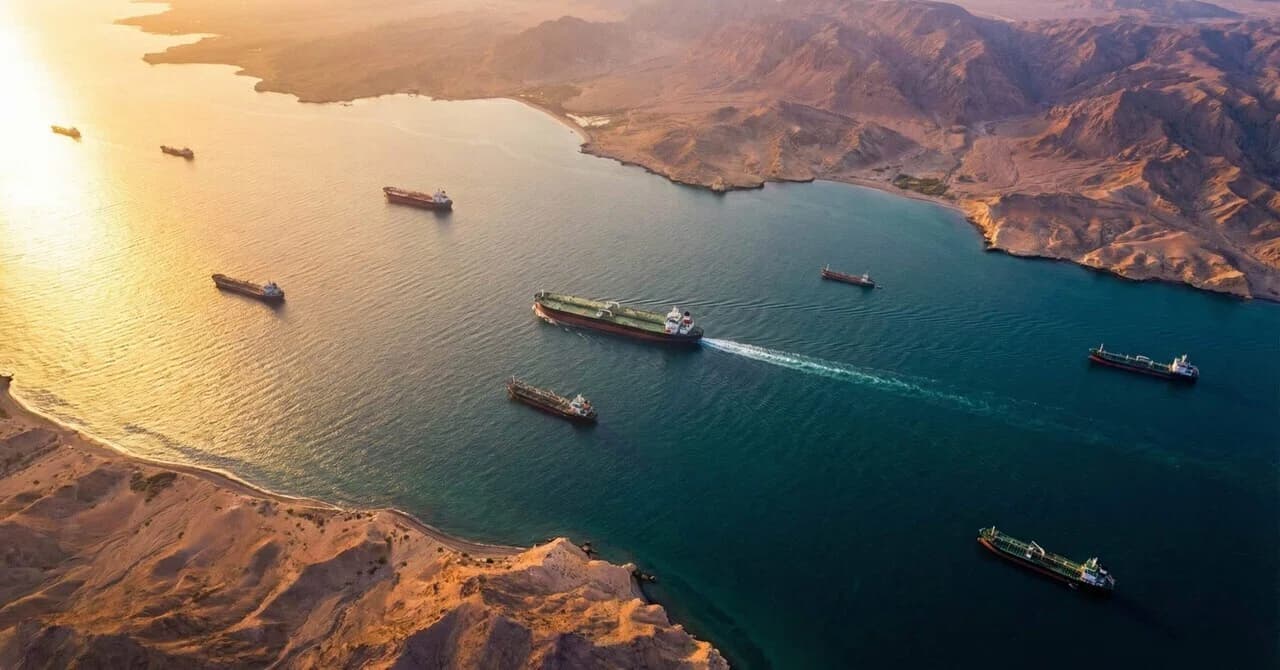
As with the stock market, the oil market went up fast. Brent crude rose more than 3% in the wake of the attacks on those two tankers, taking the price to $76.48 a barrel, its highest in two weeks. In effect, the collapse of the ceasefire has taken the downside out of the oil market. A lot can still happen to oil over the next few weeks, but for the first time since the war began, the collapse of the ceasefire raises the risk of a disruption to supplies in the Strait of Hormuz, and the oil market can price that risk almost immediately. The Strait carries about a fifth of the world's oil, along with a large share of its natural gas. If it were closed for a while, that would be a huge shock to the oil and gas market.
A Recovery That Wasn't Really About Iran
Stocks took back most of their decline the next day. The Nasdaq was up 1.3% on July 9 as semiconductors had a strong day. The stock in question was Micron, which had recently upped its planned US investment to over $250 billion through 2035. While this did create a huge pool of capital for the company to utilize, investors seemed to focus more on the new opportunities than on the fact that Iran was still at war. Meanwhile, oil continued to trade higher than the day before, and rose even more over the following days.
Additionally, the President's position became increasingly complicated. On July 10, Trump wrote on Truth Social, "The Islamic Republic of Iran has asked us to continue 'talks.' We have agreed to do so, but the United States has stated to them, in no uncertain terms, that the Cease Fire is OVER!"
Then Tehran Declared the Strait of Hormuz Closed
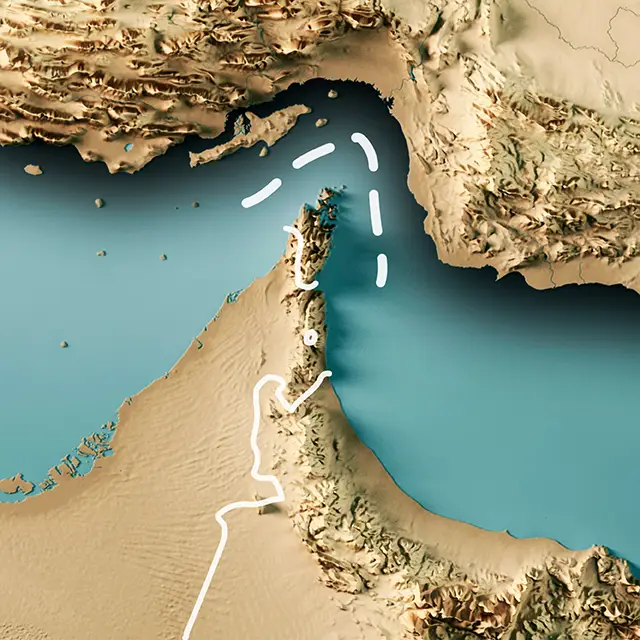
By July 12, that had escalated even more. Iran attacked sites in Oman, Qatar, Kuwait, Bahrain, and Jordan in a campaign of reprisals after US strikes on Iran. The Iranian Revolutionary Guard stated that the Strait of Hormuz would be closed until "the end of US interference in the region," but US Central Command said that while Iran had blocked several tankers, it was not a complete closure. Even so, traffic through the Strait has fallen sharply, with just six vessels tracked crossing in one recent 12-hour window, down from 18 to 22 daily earlier in the month. Brent oil rose more than 4% in Monday's trading session to about $79 a barrel, its highest since June 22.
The Bottom Line
Markets are not pricing peace between Iran and the US. They are pricing the probability that the conflict gets worse. The Dow fell more than 570 points on July 7 after Iran was blamed for attacks on two commercial tankers, though stocks recovered within a day as other news took over. Oil was different. It kept climbing as the risk of a disruption in the Strait of Hormuz rose sharply. By July 12, Iran had struck targets across five countries and declared the Strait closed, a closure the US disputes but one that has already thinned out traffic. The question now is whether the fighting stays contained or spreads.

Discussion
Comments
Loading…
Leave a comment
Be the first to share your thoughts.