Ayaan Jindal
July 6, 2026 · 4 min read
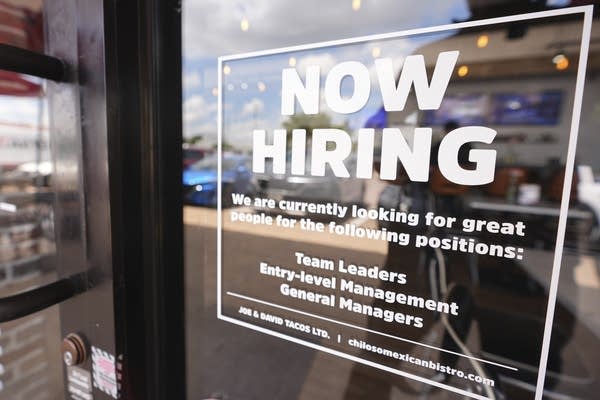
On Thursday, the June jobs report delivered another mixed picture. The economy created 57,000 new jobs, below the 115,000 that economists had expected on average. Professional and business services led the way with 36,000 new jobs for the month, followed by 25,000 new jobs in social assistance and 22,000 in healthcare. But the biggest loss of jobs was in the leisure and hospitality sector, where 61,000 fewer people are employed now than they were in May, mostly due to what is considered to be a weak seasonal hiring number for the month.
Weak, But Not Weak Enough
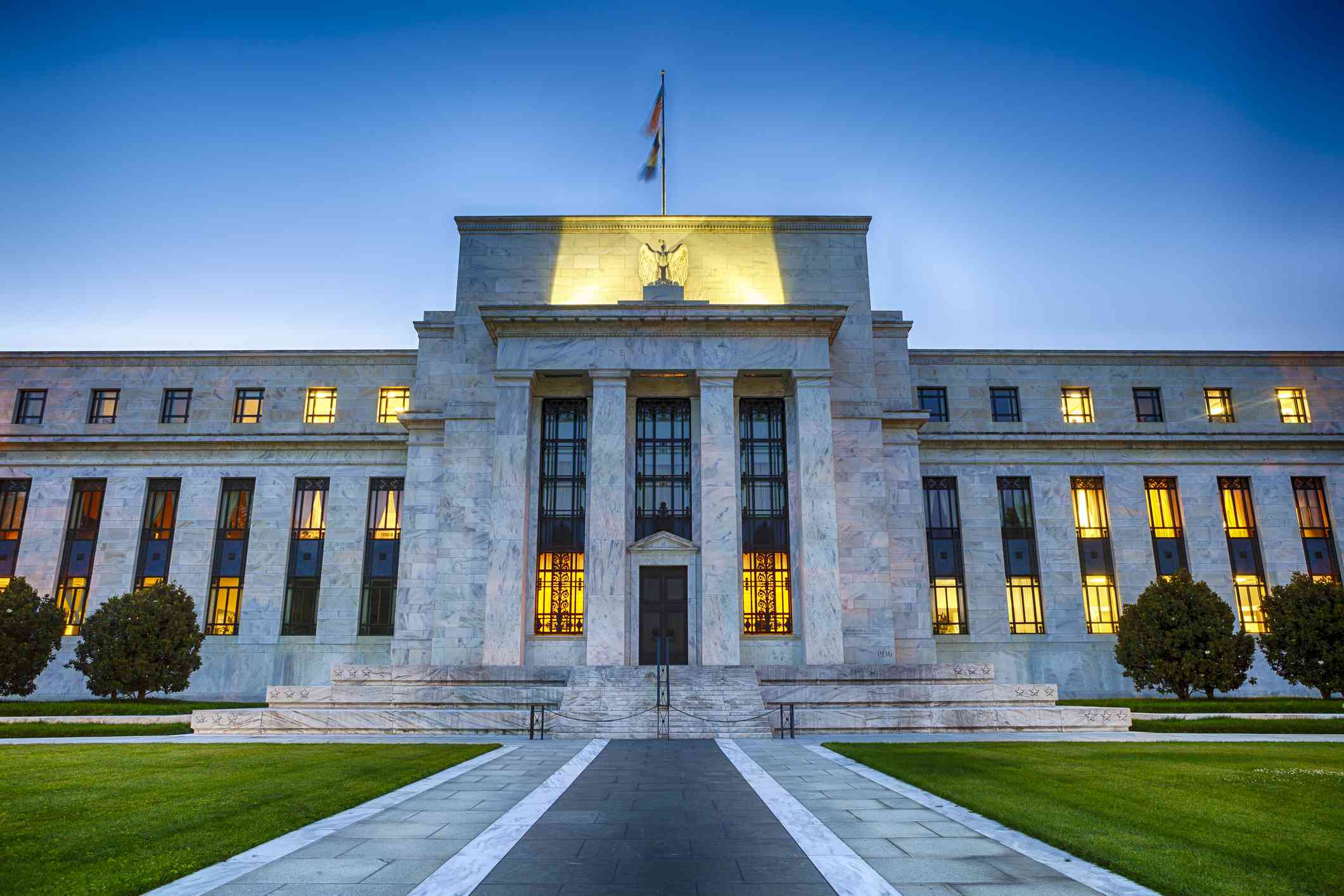
As a rule of thumb, weak employment reports that show a low number of new jobs indicate that the economy needs a bit of a nudge to get things going. Weak employment reports normally strengthen the case for the Federal Reserve to cut interest rates, making it cheaper for individuals to borrow. But this employment report does not provide the clear guidance that one would have hoped for. The unemployment rate fell to 4.2% in June, down from 4.3% in May. That is generally a good sign, but the decline was partly driven by fewer people participating in the labor force. The BLS reported that participation declined from 61.8% to 61.5%, while the employment-population ratio also edged lower.
That smaller labor force is the real story. A smaller group of working age Americans were in the labor force in June than in May, and that smaller group saw a decrease in employment. The number of Americans unemployed fell, but that decrease was due to a decrease in the size of the labor force rather than an increase in the number of employed people. This is a key characteristic of a weak labor market, and one that is not picked up in the unemployment rate alone.
There is not enough job strength to indicate that the Fed should raise interest rates in order to slow down job growth, but there also isn't enough weakness in the labor market to argue for rate cuts. In other words, there is no clear data point for the Fed. And even if there were enough weakness in the labor market for rate cuts, the problem for the Fed is that headline inflation is at 4.2% and core inflation is at 2.9%. Cutting interest rates to stimulate job growth would likely raise inflation. Holding interest rates steady to fight inflation would likely allow the labor market to weaken further. For the first time in a long time, the Fed has two conflicting goals: keeping people employed, and keeping prices stable.
The Fed's Own View Has Shifted
Interestingly, even within the Federal Reserve there are changed perspectives. About a year ago, Federal Reserve Governor Christopher Waller was among the strongest proponents for lowering interest rates, because he saw growing downside risks to employment. In a speech in Rome on Monday, Waller explained why he now considers elevated inflation the Fed's primary risk, arguing that labor-market conditions have stabilized. Those risks have completely flipped around now.
What the Bond Market Is Saying
Based on the jobs report, the 2-year Treasury yield traded down more than 2 basis points to 4.137%, as the report did not create a strong case for Fed rate cuts. The weak numbers reduced the likelihood of a September hike but did not come close to creating a convincing case for cuts.
Why This Matters to You
For individuals with a mortgage, savings account, or credit card, the Fed's decision, whether to lower rates and risk higher inflation, or hold rates steady and risk a slower labor market, will have real implications.
More insight into inflation will arrive on July 14, before the Fed meets on July 28 and 29 to decide what comes next.
The Bottom Line
This weak jobs report was not weak enough to justify a rate cut. There were 57,000 new jobs in June, but hiring was uneven, and the drop in unemployment was mostly a product of people leaving the labor force rather than more people finding work. Headline and core inflation are still elevated, which would normally argue for higher rates, were it not for the weak jobs. The Fed's own view has shifted too, with elevated inflation now seen as the primary risk instead of a weak labor market. The economy will have to wait until the end of July for the Fed's next decision, one that will affect homebuyers and the stock market alike.

Discussion
Comments
Loading…
Leave a comment
Be the first to share your thoughts.