Ayaan Jindal
October 5, 2026 · 3 min read
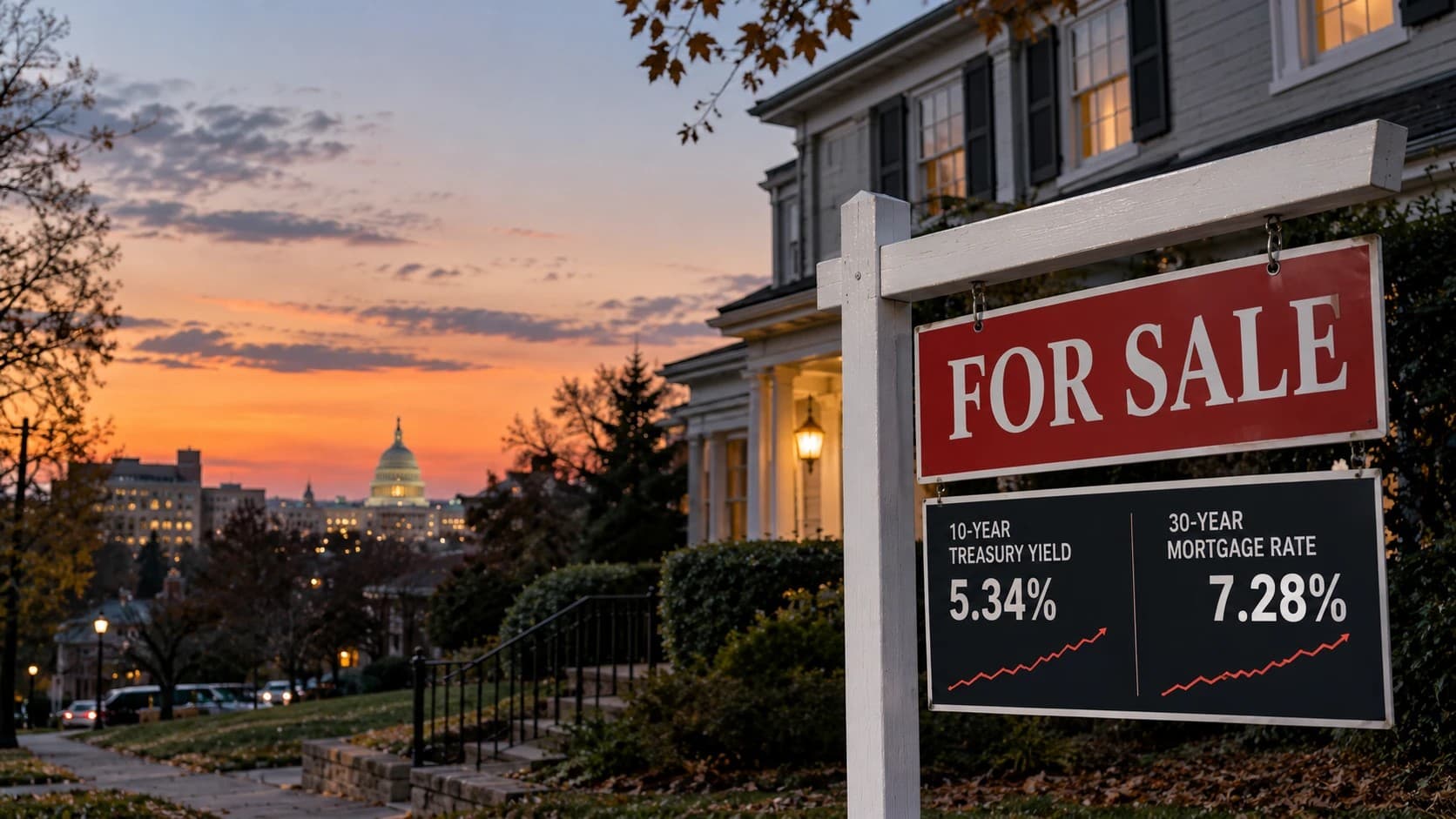
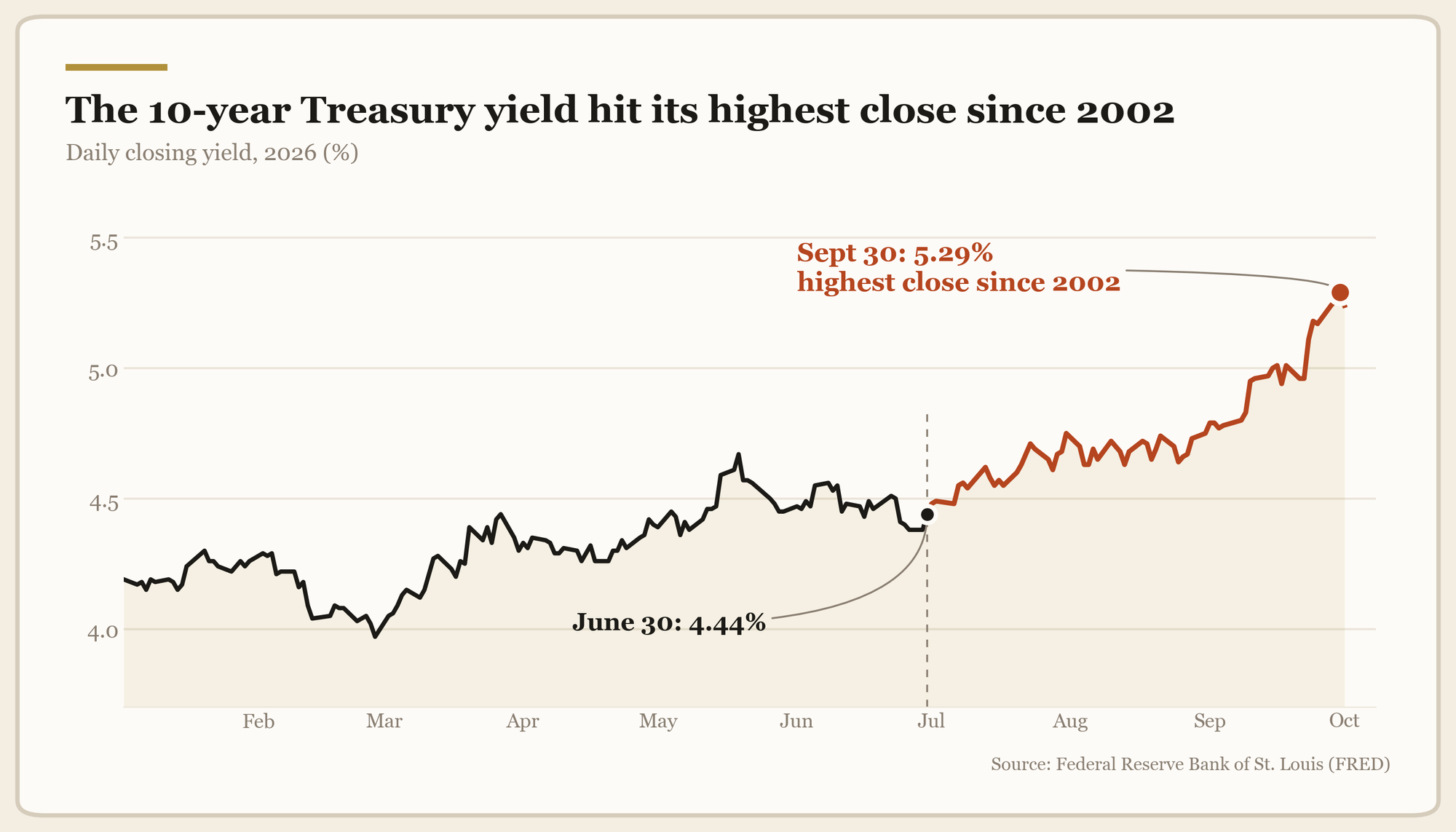
The biggest story of the past week was that the 10-year yield touched 5.34% on Thursday, October 1, the highest since 2002. And the highest closing level since 2002 was reached one day earlier, at 5.29%. This is one of the biggest numbers influencing the borrowing costs of many entities and, consequently, the price of many things in the economy.
What a Yield Even Is
Bonds are sold by the government to raise money. People can lend the government money by buying these bonds, and are repaid with interest. So the yield on a 10 year Treasury bond is essentially the interest rate that the government has to pay to borrow money. But for most people this rate is only of interest as it affects other interest rates, like for example mortgage rates.
How Fast It Moved
The 10-year closed June 30 at 4.44% and September 30 at 5.29%, a rise of 0.85 percentage points in the three months. This is one of the fastest rises to 10-year yields of the century, matching both the third quarter of 2022 and the fourth quarter of 2016.
Why It Keeps Going Up
One thing to note is that there are several reasons for rising yields. While inflation is still at too-high a level, investors worry the Fed will keep rates higher-for-longer after it raised them on September 16, and the government continues to pursue a policy of heavy borrowing, at a time when federal debt reached 122.6% of the economy in the first quarter of this year. As bond buyers demand higher returns on their investment in such a heavily-borrowed market, the yields on government debt go up. "As yields have crept higher, that is going to tighten financial conditions and could increase the risk of a slowdown," noted Danny Zaid, portfolio manager at TwentyFour Asset Management.
What It Costs You
Mortgage rates are perhaps the most salient example of higher yields on bonds. Freddie Mac reports that the average 30-year mortgage interest rate on Thursday was 7.28% compared with 6.43% on July 2. For a $400,000 loan, that's, by my math, an additional $227 per month in payments or $2,700 per year above the 6.43% rate.
Then Friday Happened
This Friday, October 2, US nonfarm payrolls increased 29,000 in September. Markets had been expecting 84,000 or so jobs to have been added to the economy that month, so the news disappointed and sent stocks higher on the session as expectations for the next Fed meeting have shifted dramatically in the direction of the "do nothing" camp. "Today's disappointing report shows the labour market is grinding to a halt, marked by slow hiring," said Kyle Moore, Chief Economist at The Century Foundation. The September unemployment rate ticked up a hair to 4.2% and July and August were revised down by a combined 60,000 jobs, which supported the general weak view of employment data.
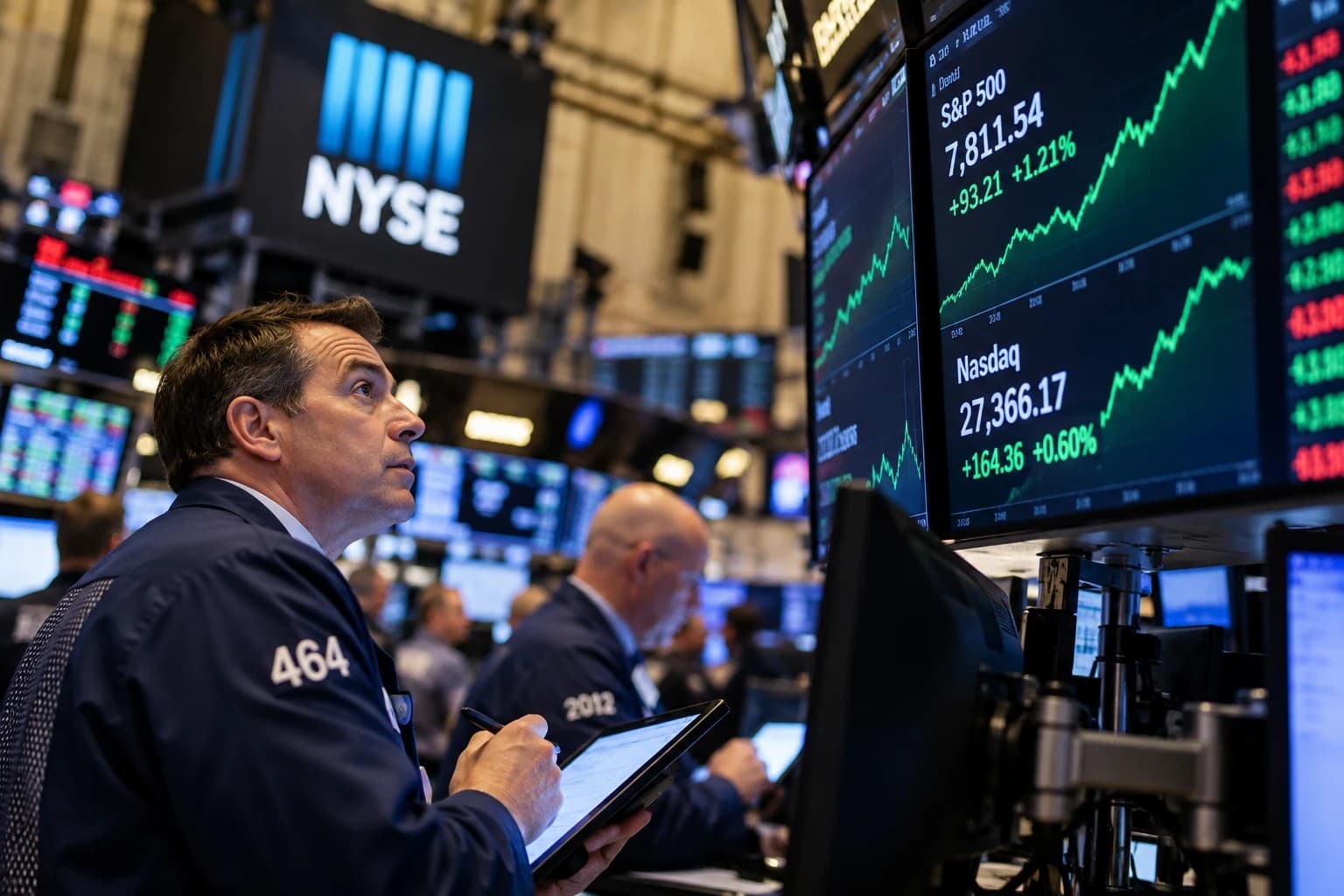
Oddly enough, though the higher interest rates have investors worried, this week's very weak jobs report seems to be indicating that the Fed will now hold off on further interest rate hikes at their October 27-28 meeting. According to CME FedWatch, the probability that the Fed will keep rates steady at the next FOMC meeting is up to 77.3%. The stock market climbed that day too with the Nasdaq rising 1.2% and the S&P 500 climbing 0.7% by the close.
The Bottom Line
Investors have become more and more spooked by the combination of high and stubborn inflation, a higher for longer Fed, and the heavy burden of US government debt. It translates into mortgages that have now breached the 7% barrier. Friday's jobs report makes another increase in interest rates by the Fed at its October meeting less likely. But the increased cost of borrowing that already is in place is a headache for the Fed that it would rather do without, and which will require it to make a difficult choice between prices that are still too high and a slowing job market.

Discussion
Comments
Loading…
Leave a comment
Be the first to share your thoughts.