Ayaan Jindal
September 21, 2026 · 3 min read
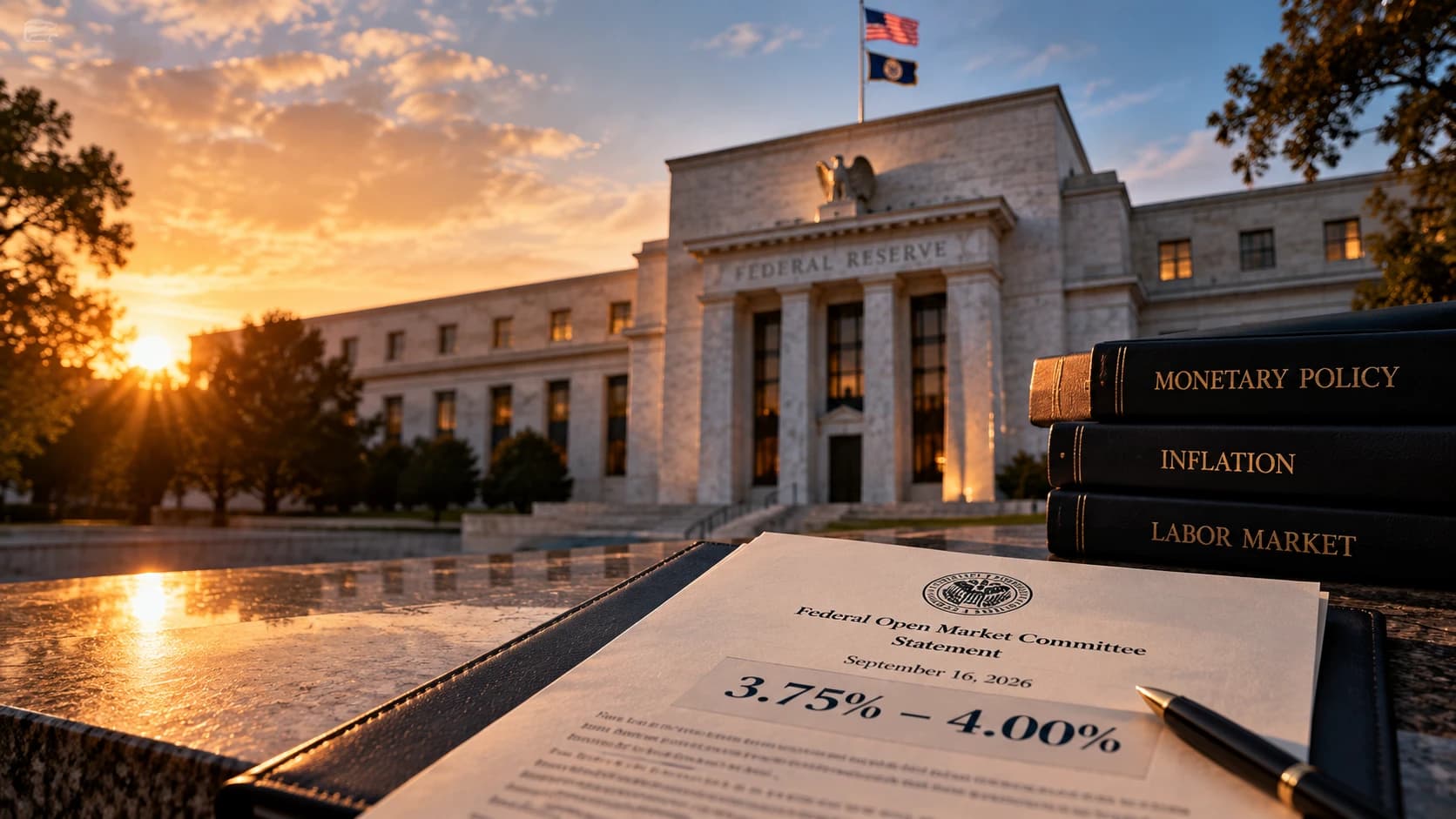
On September 16, the Federal Reserve raised interest rates by a quarter point, to a range of 3.75% to 4%. It's the first rate hike in three years. The vote was 12-0. That last part is what stands out to me. When I wrote about the Fed's July meeting, the Fed held rates steady in a 9-3 vote, with three officials who wanted a hike. This time, nobody dissented.
What Changed Since July
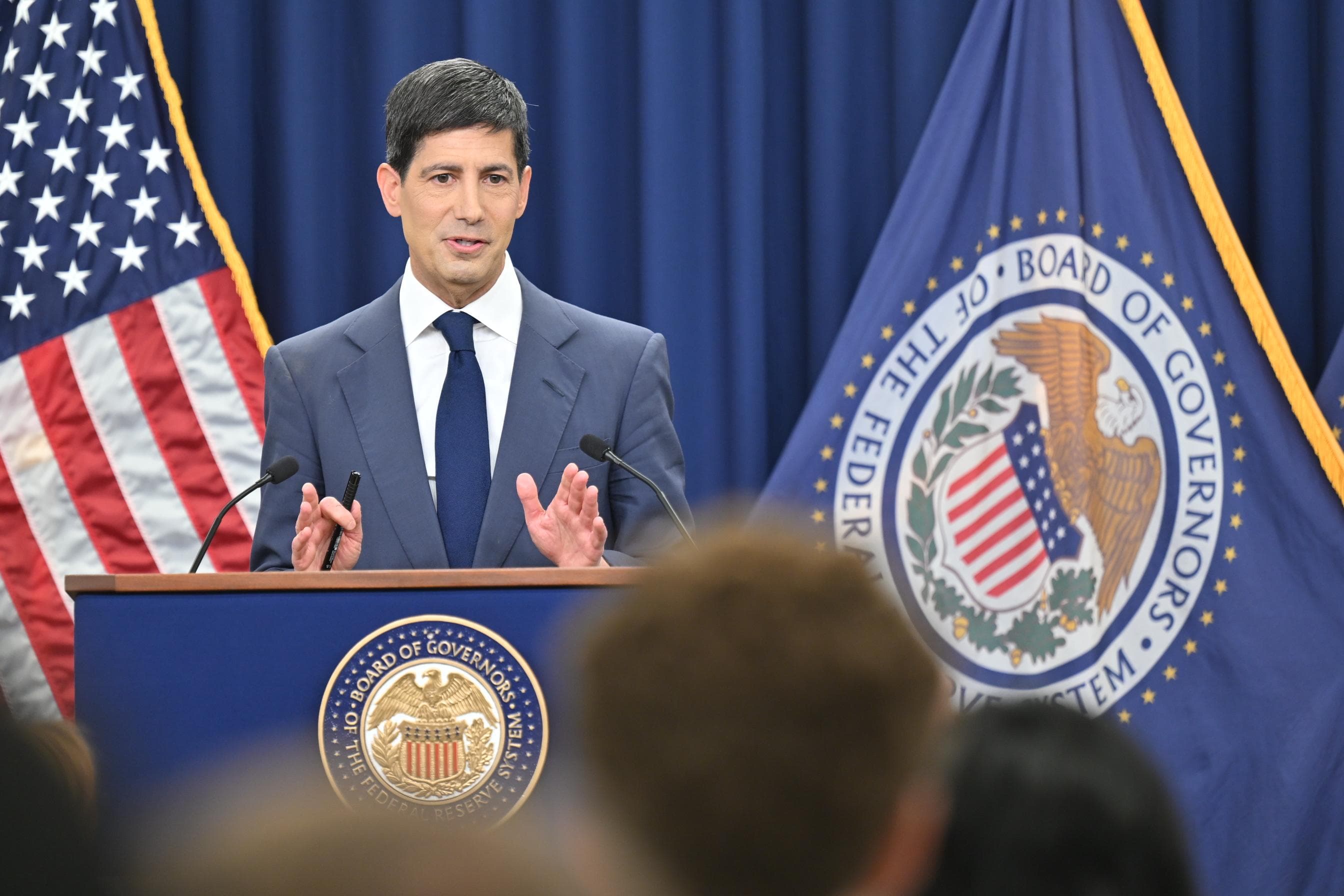
Fed Chair Kevin Warsh said three things changed in the seven weeks between meetings. In his press conference, he said the economy had gotten stronger, summer inflation numbers "weren't passing the test," and the geopolitical situation had changed. He said all three "lend themselves to a firm, unanimous decision."
He also said the Fed's new standard is simple. It has to be "confident that underlying inflation is moving to our objective, clearly and at sufficient speed." In his view, that standard was not met.
Inflation Is Still the Problem
Warsh was blunt about prices. "The plain fact is that inflation is too high and has been for too long," he said. He estimated that overall PCE inflation, the Fed's favorite measure, was around 3.6% in August. Core PCE, which leaves out food and energy, was about 3.2%. The Fed's goal is 2%.
The Fed also said the job market is in good shape. Warsh pointed to an unemployment rate of about 4.1% and said job gains have kept pace with the workforce. That matters, because it's what gives the Fed room to focus on inflation. As he put it, the labor side of the Fed's job "is in good shape."
The Fed's Forecast
The Fed also released new projections. The median official expects the federal funds rate to end this year at about 4.1%, and to stay there next year. That is slightly above the new target range, suggesting the median official expects roughly one more quarter-point hike before year-end. Officials also expect overall PCE inflation to be 3.7% this year and to fall to 2.3% next year.
Warsh did not give his own forecast. When a reporter asked what comes next, he said, "I'm not in the forward guidance business." He said he wouldn't prejudge any future decisions.
How Markets Reacted
This hike was not a surprise. A Fox Business reporter told Warsh at the press conference that markets had priced in a 90% chance of a hike. Stocks still dropped that day. The Dow fell 1.2%, or more than 600 points, and the S&P 500 lost about 0.4%. The Nasdaq was basically flat. Then stocks bounced the next day, with the S&P 500 up more than 1% and the Nasdaq up more than 1.5%.
Interest rates on government bonds stayed high. The 10-year Treasury yield topped 5%, its highest level since 2007.
Warsh also pushed back on the idea that the Fed was just reacting to the data. "I'm not a data-point-dependent guy," he said, and added that "data points are noisy." He said the Fed cares about trends instead.
The Bottom Line
A CBS reporter asked the hardest question of the day: a quarter-point rate hike doesn't reopen the Strait of Hormuz, so how can it help with oil prices? Warsh admitted the Fed can't change any individual price, whether it's oil or groceries. What it can do, he said, is make sure those price jumps don't "broaden out" into the rest of the economy. That's the real bet the Fed is making. In July, the Fed was split over whether to move. Now it's united, and it's betting that higher rates can keep one-time shocks from turning into long-term inflation.

Discussion
Comments
Loading…
Leave a comment
Be the first to share your thoughts.